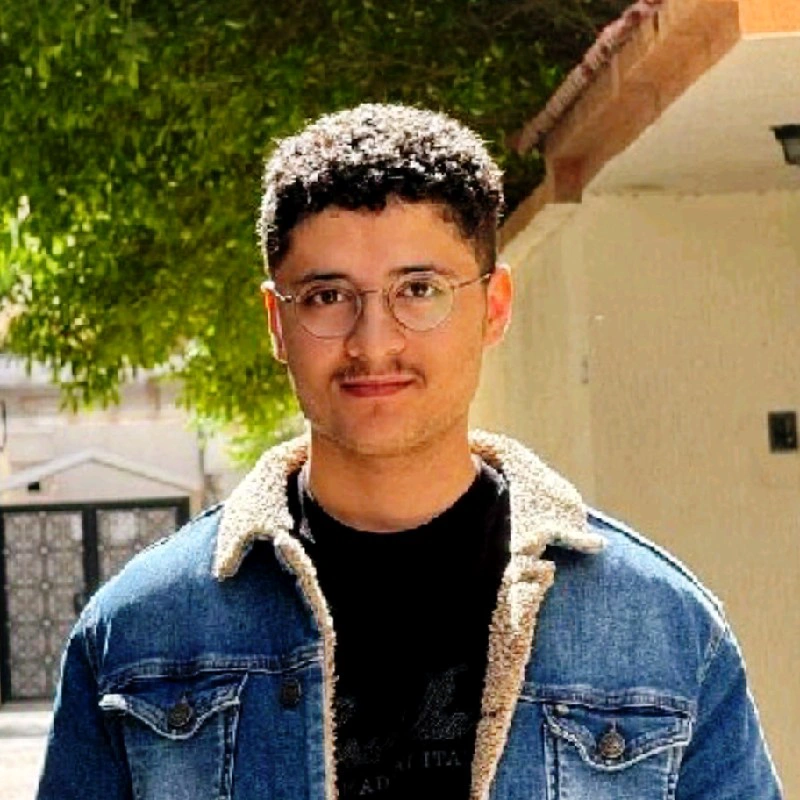
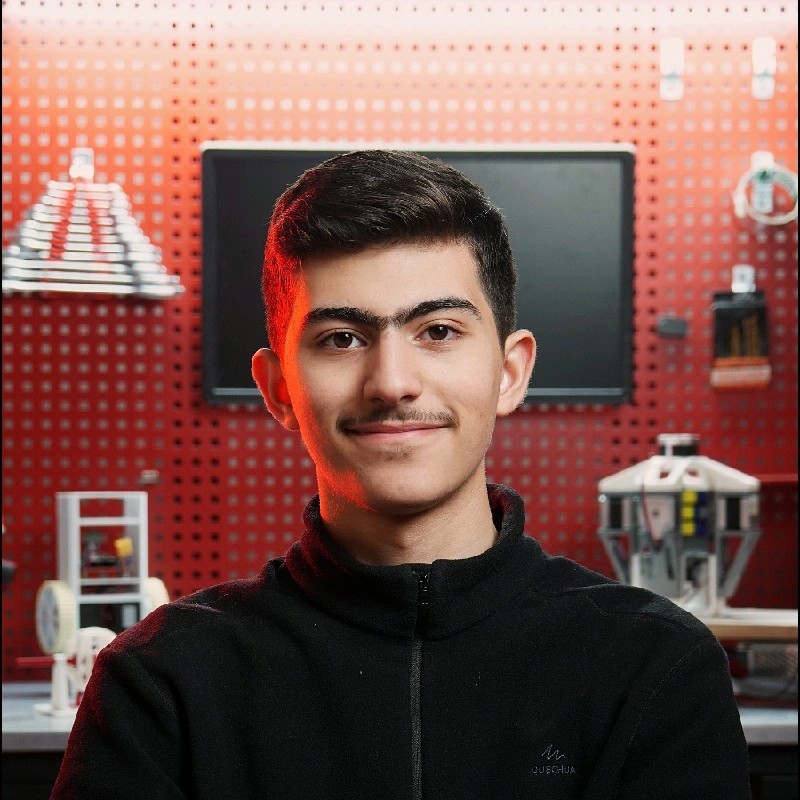
Anas Hawamdeh
Co-Founder | Electrical and Electronics
How a group of high school students with no resources, no lab, and a lot of ambition built one of the most distinctive student technology teams around.
UFUK was founded in 2020 by a small group of high school students who shared one frustration: the technology they wanted to learn wasn't being taught anywhere. Schools covered theory. The internet offered fragments. But nobody was helping them build anything real.
So they built it themselves. A team, a curriculum, and a culture — starting with borrowed tools, self-taught skills, and a clear sense of what was missing. What began as an informal group became a structured team with a mission that has never changed: invest in people first.
We didn't wait for someone to teach us. We became the teachers.
UFUK's founding principle was never about the drones. It was always about the people flying them. Today, after five years, more than 200 students have passed through our workshops and courses — many of them now studying engineering at top universities, with a clearer picture of who they are and where they're going.
Five students who decided that waiting wasn't an option. Each brought a different skill. Together, they built the foundation everything else rests on.
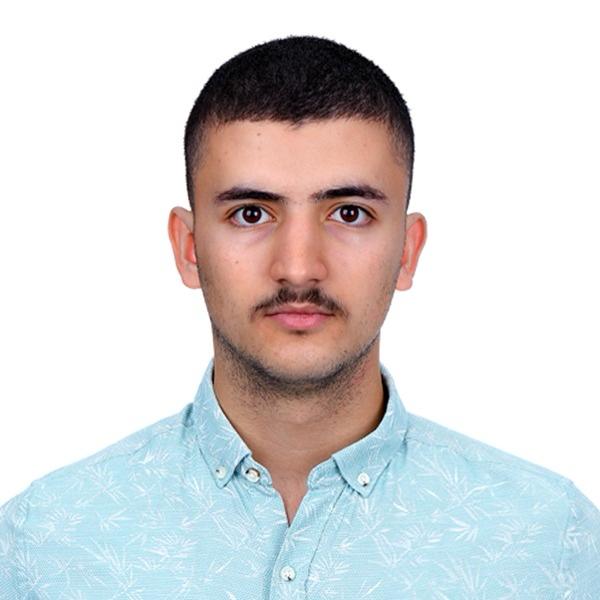
Co-Founder | Electrical and Electronics
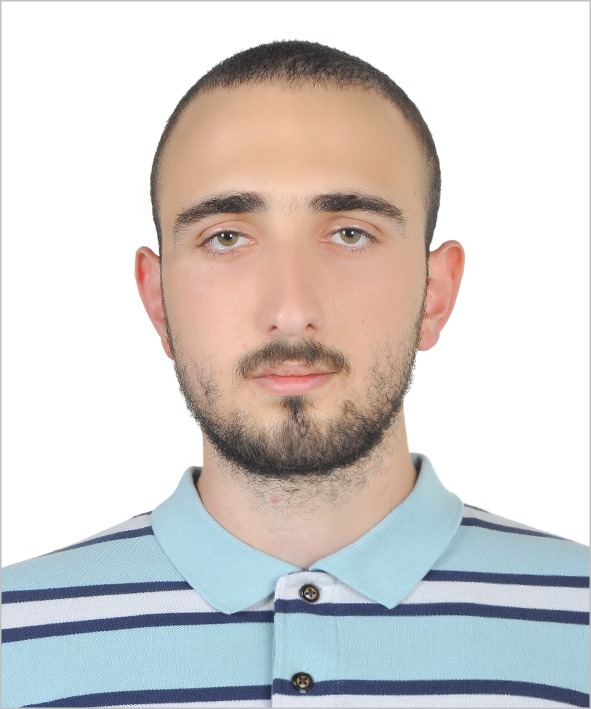
Co-Founder | Aerodynamics
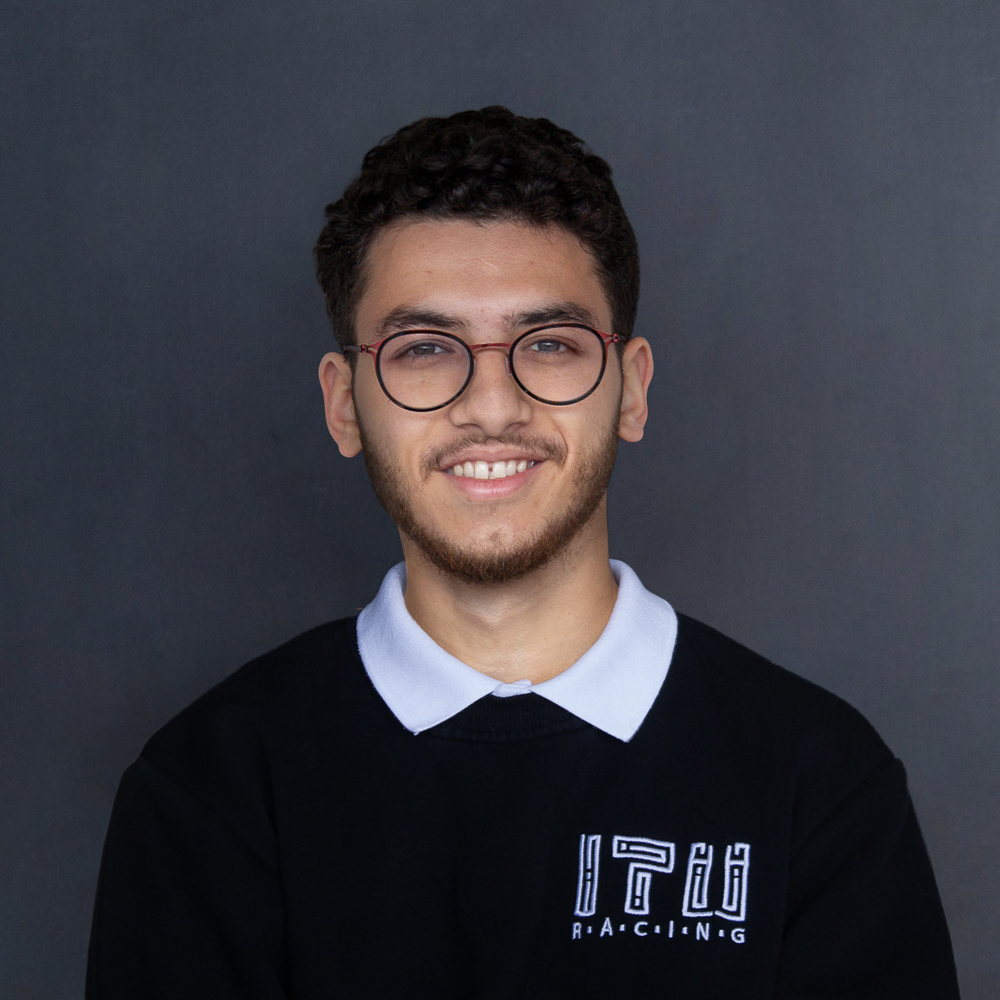

Co-Founder | 3D Mechanical Engineering designer
asdasdasdasd
Every founding member has now entered university — several at Istanbul Technical University and Yildiz Technical University, two of Turkey's most prestigious engineering institutions. But they haven't left UFUK behind. They mentor the next cohort, refine the curriculum, and keep the team's standards high. This is the UFUK model: you grow through the team, then you give back to it.
Five years of building, competing, teaching, and growing — one step at a time.
Five high school students form UFUK with a shared frustration: they want to build real technology but no one is showing them how. They pool their knowledge, commit to learning together, and begin designing their first UAV frame — on paper, before they own a single tool.
Word spreads. New members join, bringing skills in software, manufacturing, and design. Internal roles are formalised for the first time. UFUK stops being a study group and starts being a team with structure, responsibilities, and a shared direction.
UFUK launches its first public workshops — technology fundamentals sessions built for complete beginners. The team designs and delivers a curriculum that takes students from zero understanding to their first hands-on UAV components. Attendance grows with every cohort.
UFUK enters TEKNOFEST — Turkey's largest technology competition — for the first time. The team qualifies for the design phase, competes in the UAV category, and gains more technical experience in one competition cycle than in the previous two years combined.
A landmark year for UFUK. The team is accepted into a competitive startup accelerator programme. International collaboration begins — professionals and students from the global aerospace and UAV industry start engaging with UFUK, with several officially joining the team from different countries around the world. At the same time, the first wave of UFUK members earns admission to top-tier universities, including Istanbul Technical University and Yildiz Technical University — two of Turkey's most respected engineering institutions.
The team formally establishes a mentorship pipeline from university to high school, ensuring knowledge and culture transfer continues. UFUK now operates across both levels simultaneously — more members, more international connections, and more impact than ever.
Core UFUK members enter Istanbul Technical University (ITÜ) — Turkey's most prestigious engineering institution. The team's presence at ITÜ opens new doors: lab access, academic partnerships, and collaboration opportunities that would have been unthinkable in 2020. A new chapter begins.
Four principles that have guided every decision UFUK has made — from the first workshop to the latest competition. They haven't changed, and they won't.
Technology is a means to an end. The end is a generation of confident, curious, capable people who know what they want and how to build it. Every workshop, course, and competition exists in service of that goal — the person always comes before the project.
We don't optimise for the next competition result. We optimise for the people who will still be contributing to technology ten and twenty years from now. That sometimes means choosing depth over speed, and formation over performance.
UFUK was built with nothing — no budget, no lab, no institutional support. We believe constraints are features. They force creativity, sharpen priorities, and build resourcefulness that comfort and convenience never produce.
We track what actually matters: students who found their direction, projects completed, competition results, university admissions. Good intentions don't build aircraft. We hold ourselves to outcomes, not effort.